

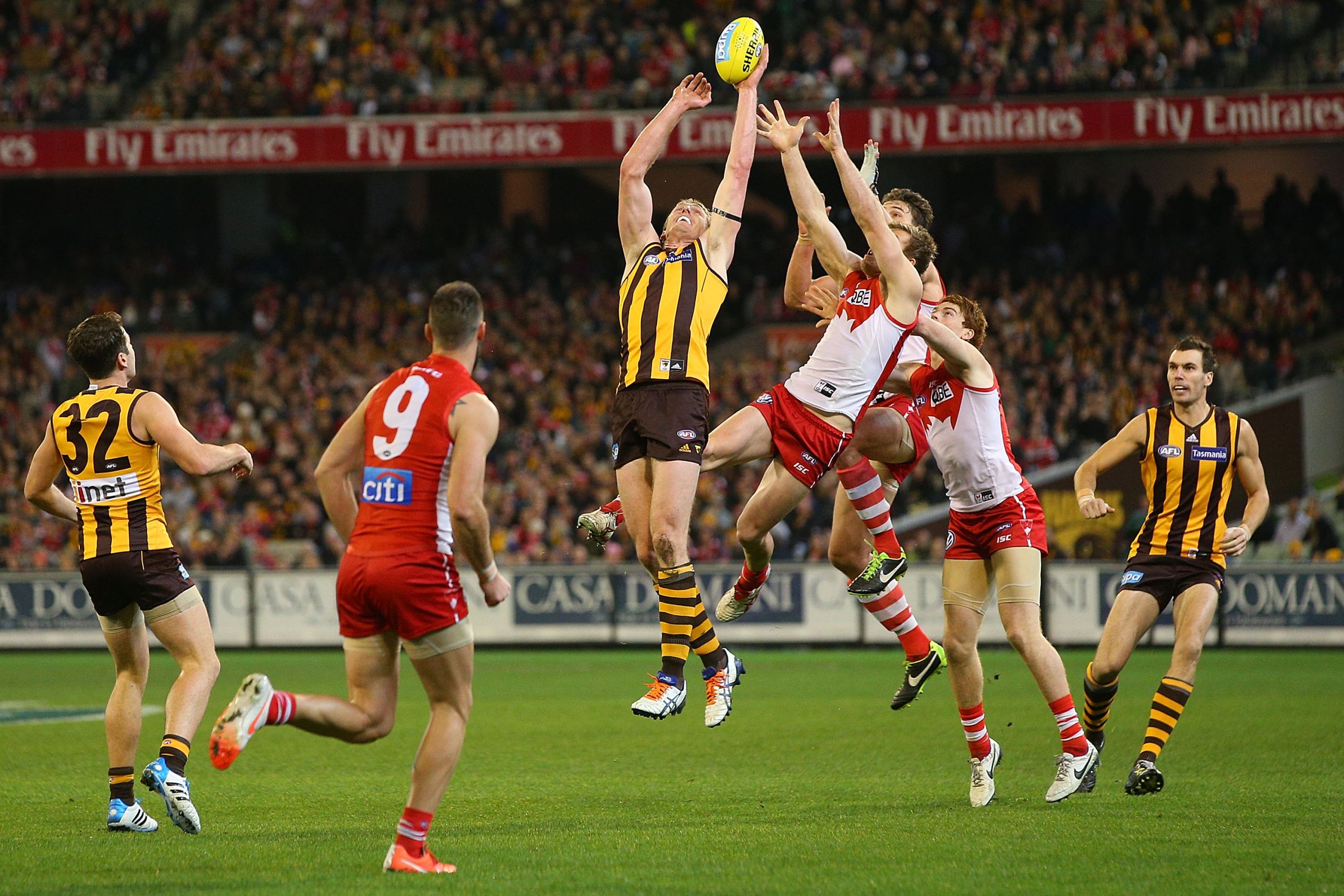
March is one of the most volatile months on the Australian sporting calendar. Preseason narratives fade, small sample sizes distort perception, and markets begin overcorrecting to early results.
For disciplined bettors, volatility is not a threat — it is opportunity.
This guide outlines how to identify genuine value bets in March 2026 when form lines are unstable and public sentiment is reactive.
Why March Creates Pricing Inefficiencies
Several structural factors converge:
- Limited 2026 sample size
- Overreaction to 2–3 match trends
- Media-driven narratives
- Preseason bias lingering in models
Competitions typically active in March include:
- Australian Football League
- National Rugby League
- A-League
- Big Bash League (final stages in some seasons)
Markets often overweight what just happened and underweight structural indicators.
1. Separate Signal from Noise
Early-season form volatility typically comes from:
- Fixture difficulty imbalance
- Travel load
- Weather anomalies
- Injury clusters
Two strong wins against bottom-tier opposition can inflate ratings prematurely.
Practical Filter
Instead of focusing on win–loss record:
- Compare expected scoring metrics
- Analyse territory or possession control
- Review turnover or conversion sustainability
If performance metrics lag results, regression risk increases.
2. Target Totals Before Markets Stabilise
Totals markets tend to adjust slower than head-to-head prices.
In AFL and NRL:
- Early rounds may feature inflated scoring due to fresh legs
- Defensive cohesion often improves by Round 4–5
If markets extrapolate Round 1 scoring into Round 3 blindly, unders may gain value.
Conversely, if public panic drives totals downward after one low-scoring round, overs can become mispriced.
3. Exploit Narrative Inflation
March narratives often include:
- “Premiership favourites look unstoppable”
- “Rebuilding side in crisis”
- “Star recruit transforms club instantly”
Markets frequently embed these narratives before sufficient data exists.
Ask:
- Has the underlying efficiency actually improved?
- Is opponent quality being discounted?
- Are unsustainable metrics driving headlines (e.g., 90% goal conversion)?
If yes, value often lies against the public angle.
4. Identify Travel and Scheduling Edges
Australia’s geography creates measurable travel fatigue.
Key considerations:
- Perth-based teams travelling east
- Short turnarounds
- Back-to-back away fixtures
Early-season travel can amplify unpredictability.
Markets sometimes underprice fatigue because season-long modelling hasn’t recalibrated.
5. Monitor Injury Adjustments Carefully
March injury markets are volatile because:
- Depth charts are still forming
- Role replacements are unclear
- Preseason projections didn’t anticipate rotation changes
If a key player is ruled out:
- Assess positional replaceability
- Compare historical performance without that player
- Avoid assuming linear point-value adjustments
Markets frequently over-adjust to high-profile absences.
6. Cross-Sport Volatility in March
AFL
Early-round scoring swings are common before defensive structures solidify.
NRL
Trial form occasionally misleads markets in the first two rounds.
A-League
Late-season motivation variance creates uneven intensity.
Cricket (International Tours)
In March bilateral series, squad rotation increases unpredictability.
Across all codes, small samples distort confidence levels.
7. Quantitative Indicators of Value
When form is unstable, lean into metrics less influenced by short-term variance:
- Expected score differential
- Inside-50 efficiency (AFL)
- Linebreak creation vs conversion (NRL)
- Shot quality (soccer)
- Net run rate vs opponent strength (cricket)
If market price implies a rating gap larger than metric-based projection, that gap represents potential value.
8. Look for Market Timing Advantages
In volatile periods:
- Early lines may underreact
- Late lines may overcorrect
Tracking line movement between open and close reveals where sentiment is driving price more than data.
Sharp value frequently appears midweek before mainstream money enters.
9. Bankroll Strategy in Unpredictable Phases
March variance demands disciplined staking:
- Reduce unit size slightly
- Avoid parlay stacking
- Focus on single-market edges
- Track closing line value
Unpredictability increases variance — not necessarily negative EV.
Strategic Checklist for March 2026
Before placing a bet, confirm:
- Is this based on at least 3–4 data points?
- Has opponent strength been weighted correctly?
- Are weather and travel accounted for?
- Has the market moved excessively due to media narrative?
- Does price exceed model projection by at least 3–5%?
If not, pass.
Key Takeaways
- March markets are reactive and prone to overcorrection.
- Small samples distort perceived form.
- Totals and injury markets offer early inefficiencies.
- Travel and scheduling edges remain underpriced.
- Value emerges where price shifts exceed data justification.
Unpredictable form does not eliminate value — it increases pricing error frequency.
Disciplined filtering, not bold prediction, is the edge in March 2026.