

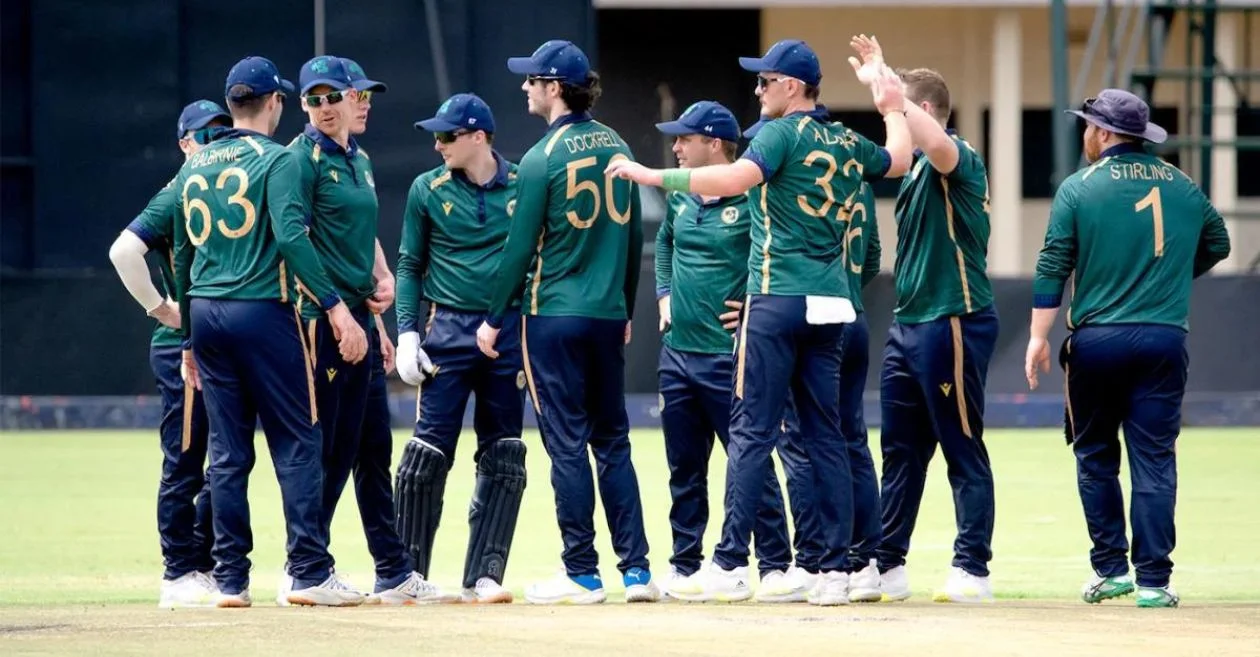
Cricket form analysis is format-specific. Many Australian bettors misprice teams and players by applying T20 trends to Tests or using ODI stats to predict T20 outcomes. Each format has distinct tempo, tactics, and statistical drivers, and understanding these differences is essential for profitable betting.
This guide explains how to interpret form across T20, ODI, and Test cricket, with actionable betting insights for 2026.
Why Format-Specific Form Matters
Cricket formats differ fundamentally in:
- Match duration
- Tactical priorities
- Player roles and skill weighting
- Variance and randomness
A batter in elite T20 form may be out of rhythm in Tests, while a dominant Test bowler may be ineffective in T20 death overs.
For bettors, form must be contextualised by format.
Reading Form in T20 Cricket
What Matters Most
In T20 betting, form is driven by high-variance, high-impact events.
Key indicators:
- Strike rate and boundary percentage
- Death-over performance (overs 16–20)
- Powerplay run rates and wicket-taking
- Bowling economy under pressure
Team-Level Signals
- Batting depth (positions 6–8 scoring impact runs)
- Specialist death bowlers
- Fielding efficiency (drops, run-outs)
Betting Implications
T20 form is volatile. Recent data (last 5–10 matches) is more predictive than long-term averages. Look for:
- Hot streaks in finishers
- Teams winning the powerplay battle
- Bowling units controlling death overs
Avoid overweighting historical averages older than 12 months.
Reading Form in ODI Cricket
What Matters Most
ODIs balance explosiveness and consistency.
Key indicators:
- Middle-over run rate (overs 11–40)
- Batting average plus strike rate composite metrics
- Bowling economy and wicket-taking in middle overs
- All-rounder contributions
Team-Level Signals
- Top-order stability
- Spin effectiveness in middle overs
- Chasing vs defending win rates
Betting Implications
ODI form has moderate stability. Use rolling windows of 10–20 matches.
Look for:
- Teams with balanced scoring across phases
- Bowlers consistently taking wickets in the middle overs
- Batters with high conversion rates (50s to 100s)
Avoid relying solely on recent T20 or Test performance when pricing ODI matches.
Reading Form in Test Cricket
What Matters Most
Test cricket is driven by endurance, technique, and bowling quality.
Key indicators:
- Batting average in similar conditions (home vs away)
- Bowling average and strike rate over long spells
- First-innings lead conversion rate
- Session-by-session dominance
Team-Level Signals
- Pace attack depth
- Spin performance on turning pitches
- Top-order resilience against the new ball
- Batting collapses frequency
Betting Implications
Test form is slow-moving and condition-dependent.
Focus on:
- Home vs away splits
- Performance in similar pitch conditions
- Series-level momentum rather than single matches
Avoid overweighting limited-overs form when pricing Test matches.
Cross-Format Form: When It Transfers (and When It Doesn’t)
Skills That Transfer Well
- Fast bowling pace and accuracy
- Fielding and athleticism
- Mental resilience and leadership
Skills That Do Not Transfer Directly
- T20 power hitting vs Test batting patience
- ODI middle-over spin control vs T20 death bowling
- Test match stamina vs T20 explosiveness
Bettors should adjust player and team ratings by format, not assume universal form.
Key Statistical Metrics by Format
T20 Metrics
- Strike rate
- Boundary percentage
- Economy rate in death overs
- Powerplay net run rate
ODI Metrics
- Batting average × strike rate composite index
- Middle-overs economy
- Dot-ball percentage
- All-rounder impact index
Test Metrics
- Batting average by venue and opposition
- Bowling strike rate and average
- Session win percentage
- Collapse frequency (loss of 5 wickets in ≤10 overs)
Common Betting Mistakes Across Formats
Using T20 Form to Predict Tests
High-variance T20 performances often mislead bettors in long-format markets.
Ignoring Conditions
Form without pitch and venue context is incomplete, especially in Tests and ODIs.
Overweighting Recent Matches in Tests
Test form requires larger sample sizes due to fewer matches and lower variance.
Ignoring Role Changes
A player opening in T20 may bat at 6 in ODIs or Tests. Role impacts form relevance.
Practical Betting Strategy for 2026
- Maintain separate power ratings for T20, ODI, and Test teams
- Track format-specific player metrics
- Weight recent T20 matches heavily, Tests lightly
- Adjust for conditions and venue history
- Avoid narrative-driven form assumptions
Responsible Betting Reminder
Cricket form analysis reduces uncertainty but does not eliminate variance. Set bankroll limits, avoid chasing losses, and treat each format as a distinct betting ecosystem.
Final Thoughts
Multi-format cricket demands multi-model analysis. T20 rewards recency and explosiveness, ODIs reward balance, and Tests reward structural quality and endurance. Australian bettors who separate form by format gain a structural edge over public markets that treat cricket form as universal.
For more cricket betting strategy guides, data-driven analysis, and format-specific insights, visit Top Betting Australia.