

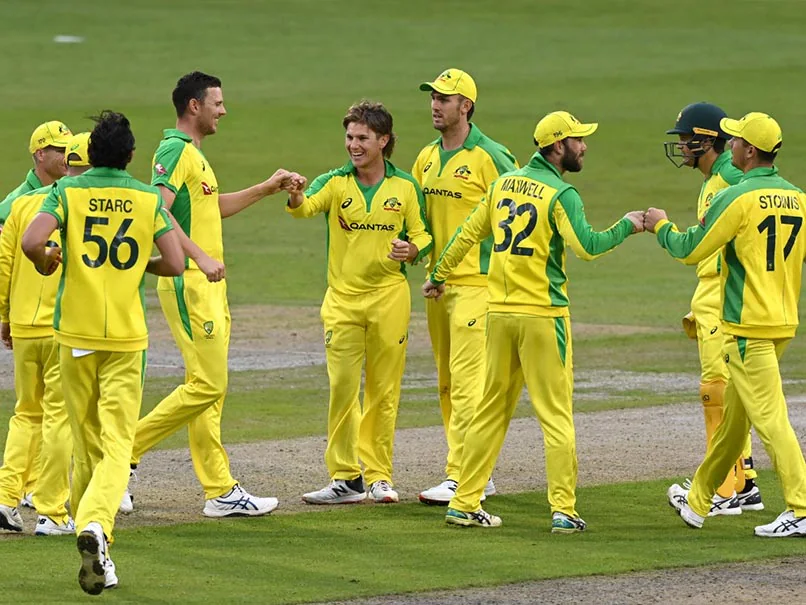
Cricket prop markets are popular in Australia because they offer granular exposure beyond match winner or totals. They also tend to be less efficient than core markets — especially in domestic competitions and early in international series.
However, prop betting requires role clarity, contextual modelling, and format awareness.
Below is a structured breakdown of the most popular cricket prop bets among Australian punters — and how to analyse them properly across T20, ODI, and Test formats.
1. Top Batsman (Team)
What it is:
Betting on which player scores the most runs for their team in a match.
Common in:
- Big Bash League
- Indian Premier League
- ICC Cricket World Cup
How to Analyse
Batting Position
Openers face the most balls in limited-overs cricket.
Middle-order batters depend heavily on match situation.
Strike Rotation Ability
On slower decks, players who rotate strike outperform pure boundary hitters.
Dismissal Profile
High-variance power hitters win this market often — but also fail frequently.
Venue Bias
Some grounds favour top-order run accumulation (short square boundaries, flat pitches).
Strategic Angle:
Avoid backing short-priced favourites if two openers share similar opportunity profiles.
2. Top Bowler (Team)
What it is:
Player who takes the most wickets for their side.
Popular in:
- Sheffield Shield
- The Ashes
- Big Bash League
How to Analyse
Overs Allocation
In T20s, death bowlers (overs 16–20) have higher wicket expectancy.
In Tests, opening bowlers benefit from new-ball conditions.
Bowling Role
- Strike bowler vs containment bowler
- Spinner usage on turning decks
Opposition Matchups
Left/right-hand combinations affect angle effectiveness.
Strategic Angle:
In T20s, price bowlers who operate at both powerplay and death overs more aggressively.
3. Total Sixes (Match or Player)
Highly popular in:
- Big Bash League
- ICC T20 World Cup
How to Analyse
Boundary Dimensions
Short square boundaries inflate six rates.
Pitch Type
Flat decks + high bounce increase aerial confidence.
Batting Intent
Aggressive powerplay tactics increase variance.
Wind Conditions
Wind direction materially affects long-on/long-off clearance.
Strategic Angle:
Overs often mispriced at smaller venues after one high-scoring game — regression frequently follows.
4. Player Runs Line (Over/Under)
Example: Over/Under 27.5 runs.
How to Analyse
Format Context
- T20: High volatility, low ball exposure
- ODI: Higher opportunity for accumulation
- Test: Session-based variability
Role Stability
Has the player recently changed position?
Opposition Bowling Attack
Pace-heavy vs spin-heavy attacks affect scoring style.
Recent Form vs Underlying Metrics
Strike rate and boundary percentage are more predictive than raw recent scores.
Strategic Angle:
Target role changes before bookmakers fully adjust line baselines.
5. Method of Dismissal
Less common but growing in niche markets.
Examples:
- Caught
- LBW
- Bowled
How to Analyse
Bowling Type Matchup
Players with technical weakness vs inswinging pace often carry higher LBW probability.
Shot Selection Patterns
Aggressive pull/hook players increase caught-in-deep likelihood.
Strategic Angle:
More exploitable in Test cricket where technical matchups persist across innings.
6. Powerplay Runs (Team)
Particularly popular in:
- Big Bash League
- ICC T20 World Cup
How to Analyse
Opening Pair Strike Rate
Aggressive opening combinations drive overs value.
Opposition New-Ball Attack
Swing-friendly conditions reduce early scoring.
Toss Impact
Chasing teams sometimes pace powerplays differently.
Strategic Angle:
Weather and early moisture significantly influence early overs markets.
7. Highest Opening Partnership
Favoured in ODIs and Tests.
How to Analyse
Defensive Technique
Technically compact openers outperform on green pitches.
Early Swing Conditions
Humidity, cloud cover, and pitch grass matter.
Series Context
Openers under pressure may alter approach.
Strategic Angle:
Avoid overs on green seaming decks early in a Test match.
Format-Specific Prop Behaviour
| Market Type | T20 | ODI | Test |
|---|---|---|---|
| Top Batsman | High variance | Moderate | Lower variance |
| Top Bowler | Death overs critical | Balanced | New-ball heavy |
| Player Runs | Volatile | Stable | Session-dependent |
| Sixes | Major factor | Moderate | Limited |
Understanding format dynamics is critical. A prop that works in T20 rarely translates directly to Tests.
Why Prop Bets Can Offer Hidden Value
- Lower liquidity than match winner markets
- Slower pricing adjustments after lineup changes
- Overreliance on recent scores
- Public bias toward star players
Markets often overweight brand-name players and underweight situational advantages.
Risk Management Considerations
Prop markets carry higher variance due to smaller sample sizes per match.
Best practice:
- Use flat staking
- Avoid stacking correlated props
- Track long-term yield, not short-term hits
- Focus on role and opportunity, not reputation
Final Thoughts
Cricket prop betting rewards precision.
Analyse:
- Batting order
- Overs allocation
- Venue characteristics
- Match context
- Format dynamics
Australians gravitate toward top batsman, sixes, and player run lines — but the edge lies in understanding opportunity share and matchup leverage better than the market.
For deeper analysis of cricket betting markets and Australian wagering strategy in 2026, visit Top Betting Australia.