

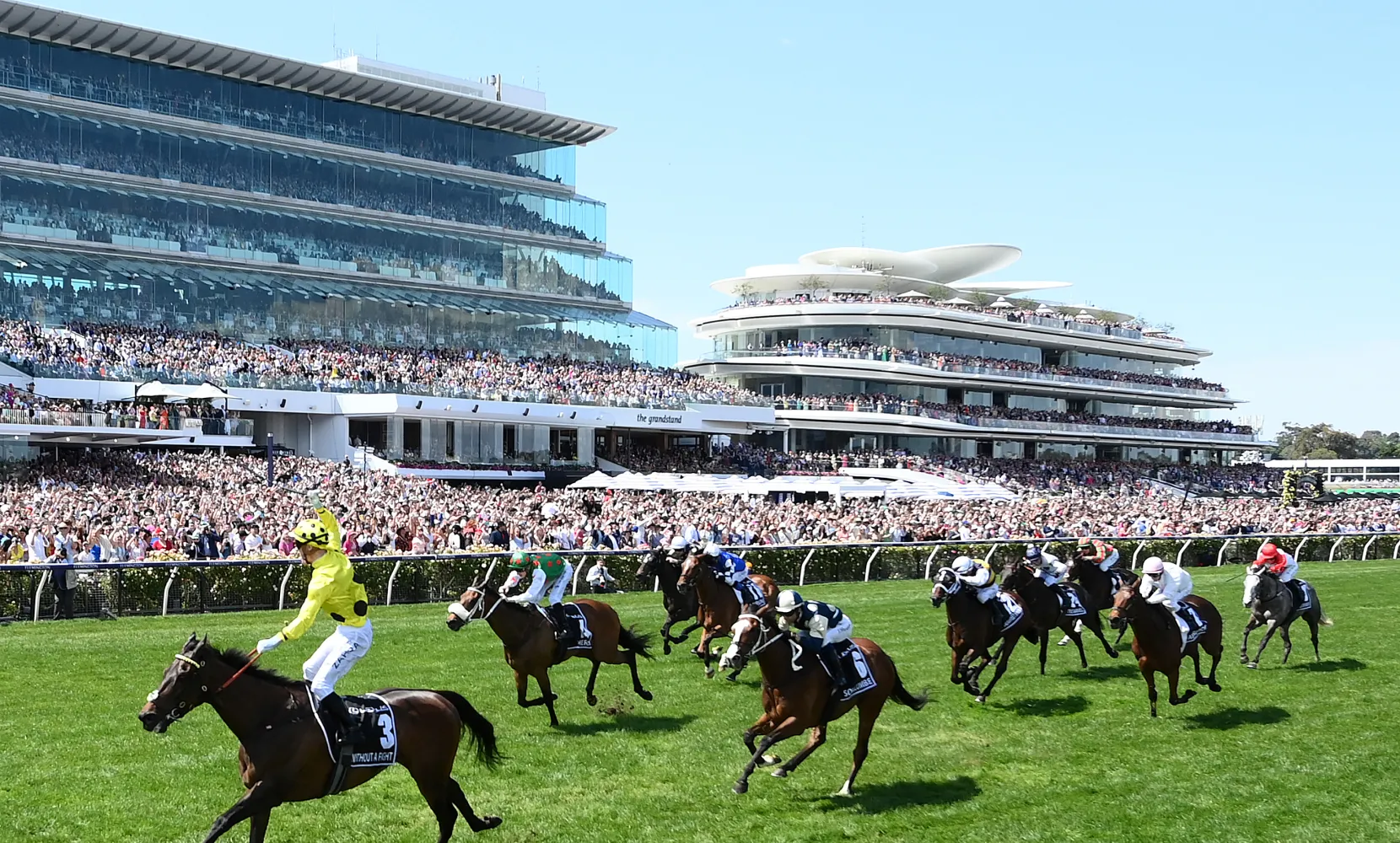
Form study is one of the most important skills for any horse racing punter, especially when preparing for The Great Race. Whether you’re a seasoned bettor or just beginning to take racing analysis seriously, knowing what to look for in the form guide can dramatically improve your chances of backing a genuine contender.
This guide breaks down the essential stats, patterns, and indicators that Australian bettors should focus on before placing a wager.
Understanding the Foundations of Form Study
Before diving into deeper analytics, start with the fundamentals. A proper form guide gives you a snapshot of how a horse has been performing recently, how it handles certain track conditions, and whether it’s likely to peak on race day.
Key basics include:
- Race finishing positions
- Class of previous races
- Weight carried
- Track conditions for each run
- Barriers and race maps
- Trainer and jockey combinations
These elements create the foundation of any solid racing assessment.
Recent Form: How the Horse is Travelling Right Now
Recent form shows how well the horse has performed across its last few starts. Punters often look for consistency, improvement, or patterns that suggest a horse is peaking at the right time.
Important factors:
- Has the horse been finishing strongly?
- Is its rating rising with each run?
- Were the recent races in similar conditions to The Great Race?
A horse improving into a major race is typically a better bet than one plateauing or on the decline.
Class Analysis: Can the Horse Handle Stronger Opposition?
Class is one of the most misunderstood concepts in racing, yet it’s one of the most crucial. Horses that dominate weaker fields may struggle when stepping up in class, while some thrive when challenged.
Look for:
- Has the horse previously performed well at Group level?
- Has it beaten runners that have since won stronger races?
- Are today’s rivals significantly tougher?
Winning The Great Race usually requires proven class or emerging potential backed by strong recent ratings.
Distance Suitability: Staying Power vs. Early Speed
Every horse has an ideal distance range. Some are sprinters; others are stayers capable of grinding out late momentum.
When assessing distance suitability:
- Examine the horse’s past performances at similar distances
- Check whether it finishes off strongly in longer races
- Consider if additional distance is likely to stretch or suit the horse
Horses stepping up significantly in distance without proven stamina often fade late in big races.
Track and Weather Conditions: Surface Specialists
Some horses love a firm surface, while others perform better in heavy or soft conditions. The track rating on race day can dramatically change the outcome.
Your checklist:
- How has the horse performed on today’s expected surface?
- Does the horse have a history of handling The Great Race track?
- Will rain or heat impact its performance style?
Weather can create huge value opportunities for punters who study wet-track or dry-track specialists.
Barrier Draw and Race Map: Predicting How the Race Will Unfold
Barrier draws matter more in large fields like The Great Race. Inside barriers are often ideal, but front-running horses may prefer wider draws if they need room to surge forward.
Key considerations:
- Will the horse get trapped wide?
- Is the horse fast enough to secure a strong early position?
- Does its running style match the likely race shape?
Mapping the field helps you predict traffic trouble, early speed battles, and late swoopers.
Jockey and Trainer Form: Proven Combinations Win Big Races
The best trainers target major races with precision, and elite jockeys excel under pressure.
Look for:
- Trainer strike rate in feature races
- Jockey success on this specific horse
- Recent form for both jockey and stable
A jockey change can also make a big difference, particularly if an elite rider takes over.
Sectional Times: The Hidden Goldmine of Form Study
Sectional times measure how fast a horse runs different segments of the race. They reveal whether a horse is building speed, maintaining momentum, or fading late.
Things to watch:
- Strong final 600m times indicate a powerful closer
- Fast early sectionals suggest tactical speed
- Horses with balanced sectionals often excel in major races
Sectionals help uncover hidden gems: horses that finished midfield but closed faster than the winner.
Weight and Handicap Ratings: Can the Horse Carry the Load?
In handicap races, high weights can be challenging. Weight affects finishing speed, especially over long distances.
When examining weights:
- Compare previous wins at similar weight
- Check if rivals are better off under today’s conditions
- Consider whether the horse has a strong build suited to carrying weight
Well-weighted horses in form often deliver surprising value.
Final Thoughts
Form study isn’t guesswork — it’s a craft. By analysing the key stats, understanding the race map, and evaluating each horse’s strengths, you put yourself in the best position to select a genuine contender for The Great Race.
For more detailed analyses, bookmaker reviews, and betting guides tailored to Australian punters, visit Top Betting Australia and explore our expert tools to improve your racing strategy.