

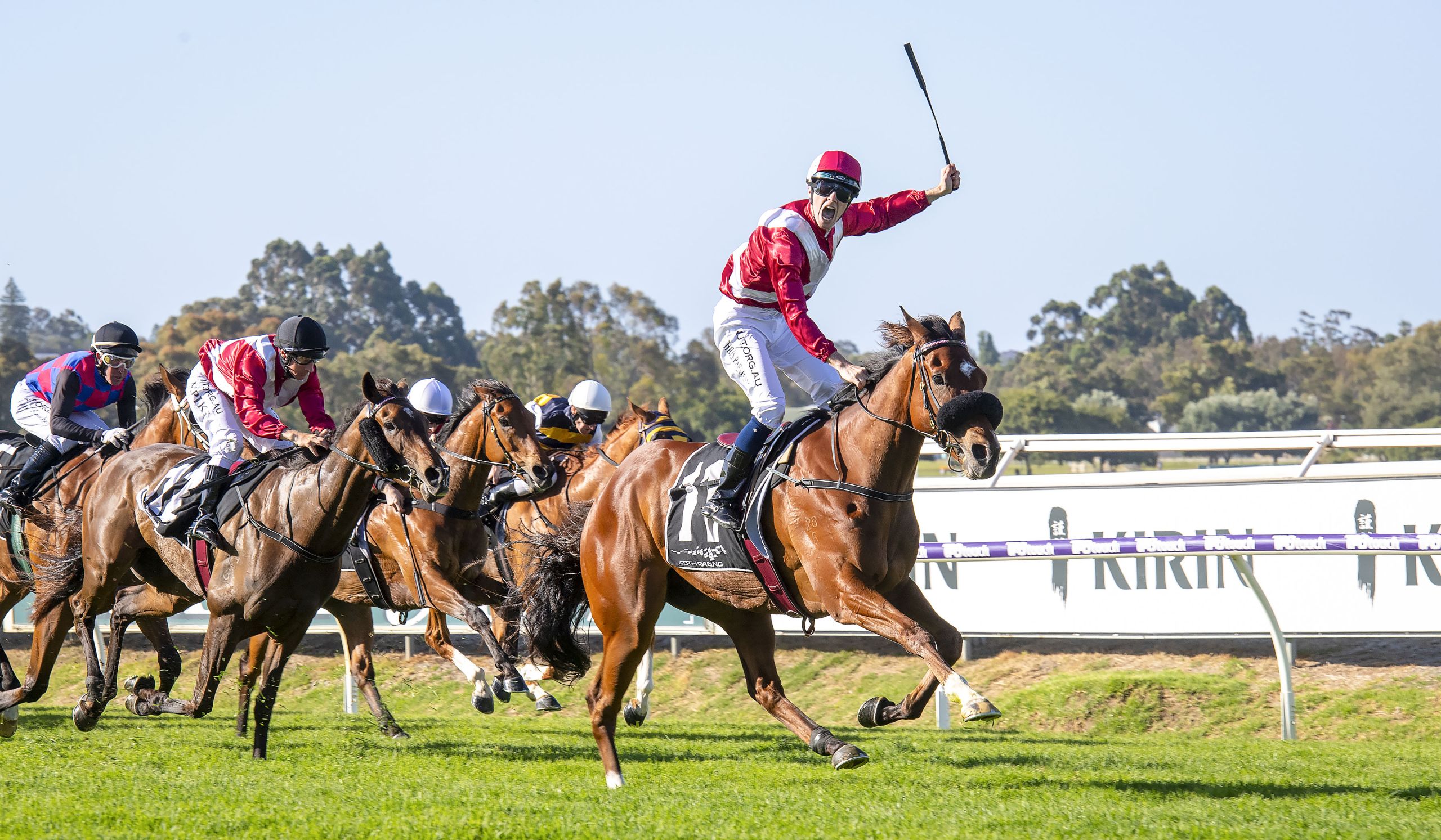
Autumn in Australia means one thing for punters: carnival time. From the Golden Slipper in Sydney to the Australian Cup in Melbourne, the autumn months bring together the best horses, the biggest stakes, and the most unpredictable weather patterns. A track that’s Good 4 in the morning can be Soft 7 by the first race – and that shift can turn favourites into also‑rans and roughies into winners.
Understanding track conditions isn’t just about checking the official rating. It’s about reading the nuances: how rain affects different courses, which horses handle sting out of the ground, and when to back a mudlark or oppose a dry‑track specialist.
In this guide, we’ll break down everything you need to know to read autumn track conditions and turn that knowledge into smarter, more profitable bets.
1. The Autumn Racing Calendar – Why Track Conditions Matter
Autumn (February–April) is a transition period. Summer heat gives way to cooler days, and rain becomes more frequent. The major carnivals – Sydney’s The Championships, Melbourne’s Autumn Carnival, and Adelaide’s The Goodwood – often contend with unpredictable weather.
| Carnival | Key Races | Typical Track |
|---|---|---|
| Sydney (Randwick) | Golden Slipper, Doncaster Mile, Queen Elizabeth Stakes | Can be rain‑affected in March/April; Randwick drainage is good but heavy rain still softens it. |
| Melbourne (Flemington, Caulfield) | Australian Cup, Blue Diamond Stakes, All‑Star Mile | Flemington is a fair track; Caulfield can get a bias near the inside when wet. |
| Adelaide (Morphettville) | The Goodwood | Often drier, but autumn showers can create Soft conditions. |
The key is that conditions can change rapidly. A wet week leading into a carnival can produce heavy tracks; a sudden dry spell can bounce the surface back to Good. Punters who monitor weather and track updates have a distinct edge.
2. Understanding Track Ratings – Beyond the Numbers
Track ratings in Australia follow a standard scale from Fast (rarely used now) to Heavy. The official rating is posted by stewards before each meeting and updated if conditions change.
| Rating | Description | What It Means for Bettors |
|---|---|---|
| Good 3 / 4 | Firm, even surface | Favours on‑pace runners; times are fast; favourites perform reliably. |
| Soft 5 / 6 | Surface has some give, but not rain‑affected | Horses with form on Soft ground come into play; some bias may appear after multiple races. |
| Soft 7 | Significantly rain‑affected; patches may be uneven | True wet‑trackers gain advantage; wide draws can be a disadvantage if the inside cuts up. |
| Heavy 8 / 9 / 10 | Very wet; often with puddles and kickback | Mudlarks dominate; scratchings increase; value emerges in exotics. |
Important: Ratings are subjective. A Soft 7 at Flemington may play differently than a Soft 7 at Randwick due to drainage, camber, and soil composition. Always consider the track’s history.
3. The Drainage Factor – Not All Tracks Are Equal
Some tracks handle rain better than others. Knowing the drainage characteristics of each course is critical.
| Track | Drainage | Autumn Bias |
|---|---|---|
| Randwick (Sydney) | Excellent; drains quickly after rain | Tends to play fairly; can favour leaders when fresh, but wet weather rarely produces a heavy track. |
| Rosehill (Sydney) | Good, but lower‑lying areas can get affected | Can get a leader bias when the track is wet, especially on the inside lanes. |
| Flemington (Melbourne) | Very good; wide open, drains well | Usually fair; the long straight allows horses to run on; wet tracks often favour backmarkers with stamina. |
| Caulfield (Melbourne) | Mixed; inside section can cut up | Infamous for an inside bias when wet. Horses drawn wide can struggle if the inside is a mud patch. |
| Morphettville (Adelaide) | Moderate; can become heavy quickly | Can be unpredictable; wet tracks often produce big‑priced winners. |
| Doomben / Eagle Farm (Brisbane) | Doomben drains poorly; Eagle Farm is better | Doomben heavy can become a bog; horses with proven heavy form are essential. |
Before a meeting, check track reports and early races to see if a bias is developing.
4. Wet Track Specialists – Identifying Mudlarks
Not every horse handles a soft or heavy track. Some horses have pedigrees, action, and form that make them thrive when the sting is out of the ground.
Pedigree Clues
- Sires known for wet trackers: Commands, Exceed And Excel, Snitzel, and Lonhro often produce progeny that handle soft ground. However, many European‑bred horses (with Danehill, Sadler’s Wells lines) are also reliable on wet tracks.
- Dam’s side: If the dam (mother) won on heavy tracks, her offspring often do too.
Form Indicators
- Look for horses that have won or placed on Soft/Heavy tracks.
- Check recent runs: a horse that ran well on a wet track last start may repeat.
- Watch for horses that have been unlucky on dry tracks but are now getting conditions they prefer.
Value Angle: When a wet track is forecast, the market often overreacts by shortening known wet‑trackers. But it also over‑lengthens horses with no wet‑track form. If a horse has a wet‑track pedigree but no official Heavy form, it can be a value play.
5. Track Bias – How the Surface Shapes the Race
Track bias refers to a pattern where horses in certain parts of the track (e.g., near the inside rail) have an advantage. Wet tracks often exaggerate bias.
Common Autumn Biases
- Inside bias: When the track is soft or heavy, the inside section (lane 1–3) can become chopped up, while the middle of the track remains fresher. Horses drawn wide can benefit if they stay off the rail.
- Leader bias: On rain‑affected tracks, leaders can get a soft lead and be hard to run down if the surface is tiring.
- Backmarker bias: On very heavy tracks with a long straight (e.g., Flemington), horses that settle last and charge home can be advantaged because they avoid kickback and have fresh legs.
How to detect bias: Watch the first few races of the day. If leaders are winning easily, it’s a leader bias. If wide‑draw runners are flashing home, the inside is inferior. Adjust your bets accordingly.
6. Weather Forecasting – Your Most Important Tool
No punter should bet on a rainy day without checking the Bureau of Meteorology (BOM) hourly forecast. The timing of rain is critical.
- Rain before the meeting: If it rains overnight and then clears, the track will be Soft or Heavy but may improve as the day goes on. Early races favour wet‑trackers; later races may suit dry‑track horses if the surface dries.
- Rain during the meeting: If rain continues, the track will downgrade. Horses that need Soft ground become more advantaged as the day progresses.
- Scattered showers: Watch the radar. A sudden downpour 30 minutes before a race can completely change the conditions.
Pro tip: Many bookmakers offer best of the day or early prices. If you anticipate a downgrade, locking in odds before the track shifts can secure value.
7. Betting Strategies for Autumn Track Conditions
Strategy 1: Back Proven Wet‑Trackers at Overs
When a track is downgraded, known wet‑trackers often shorten, but there is usually a second‑tier horse with good wet‑form that remains at a price. Use form guides to find horses with 2–3 placings on Soft/Heavy tracks, even if they haven’t won.
Strategy 2: Fade Dry‑Track Specialists
Horses with all their wins on Good tracks and no wet‑form should be opposed when the track is Soft 7 or worse. Their odds often don’t drift enough to account for the conditions.
Strategy 3: Play Exotics
Wet tracks produce chaos. Exotic bets like trifectas and first fours often pay significantly higher than on good tracks. Consider wider selections and include horses with wet‑track pedigrees even if they are long odds.
Strategy 4: Monitor Scratchings
When a track is downgraded, horses with no wet‑track form are often scratched. This can change the race dynamics and create value for those that remain. Follow scratchings closely on racing.com or the official stewards’ reports.
8. Common Mistakes to Avoid
| Mistake | Why It Costs You |
|---|---|
| Ignoring the track rating | Betting a horse that needs Good ground on a Soft 7 is a recipe for loss. |
| Over‑valuing recent form on different surfaces | A horse that won last start on a dry track may not reproduce that form in the wet. |
| Assuming all wet tracks are the same | Heavy 8 at Randwick differs from Heavy 8 at Doomben. Check the track’s history. |
| Not watching early races | Bias can develop after just 1–2 races. Punters who ignore early signs miss critical information. |
| Chasing heavy favourites on wet tracks | Favourites on heavy tracks win at a lower rate than on good tracks. Look for value elsewhere. |
9. Tools and Resources for Track Condition Betting
- Racing Australia / Racing.com: Official track ratings, scratchings, and stewards’ reports.
- Bureau of Meteorology (BOM): Hourly forecasts and radar.
- Punting forums and tipsters: Follow experts who specialise in wet‑track analysis.
- Form guides with wet‑track stats: Many online form services now include “Wet Track” filters.
10. Putting It All Together – A Case Study
Scenario: A Saturday meeting at Caulfield in March. The track is rated Soft 6 after overnight rain, with more showers forecast during the day. You’re looking at a mid‑distance handicap.
Steps:
- Check earlier races: The first two races were both won by leaders who settled on‑paced. No obvious inside bias yet.
- Identify wet‑trackers: In your race, there are two horses with proven Soft/Heavy form (Horse A and B). The favourite (Horse C) has all wins on Good tracks.
- Weather: Radar shows rain approaching in 30 minutes. The track may downgrade to Soft 7 during the race.
- Bet: You decide to:
- Bet on Horse A (wet‑tracker) each‑way at $8.00.
- Include Horse A and Horse B in a trifecta with a wide third spot.
- Oppose the favourite in the win market.
- Outcome: Rain arrives, track becomes Soft 7. Horse A wins at $8.00. The trifecta pays $450.
Conclusion
Autumn track conditions are a dynamic and rewarding challenge for punters. By understanding how to read ratings, interpret bias, identify wet‑track specialists, and monitor weather, you can turn the uncertainty of autumn into a consistent edge. The key is preparation: check the forecast, study track history, watch early races, and bet with discipline.
Remember, the best punters don’t just bet on horses – they bet on conditions. This autumn, let the track guide you to smarter wagers.
Ready to master autumn racing and find the best odds?
Top Betting Australia delivers expert track analysis, the latest market moves, and exclusive offers from the country’s most trusted bookmakers.
👉 https://topbettingaustralia.com/
Compare odds, track conditions, and bet smarter this carnival season.
May your autumn be filled with value and winning bets! 🌧️🏇🍂