

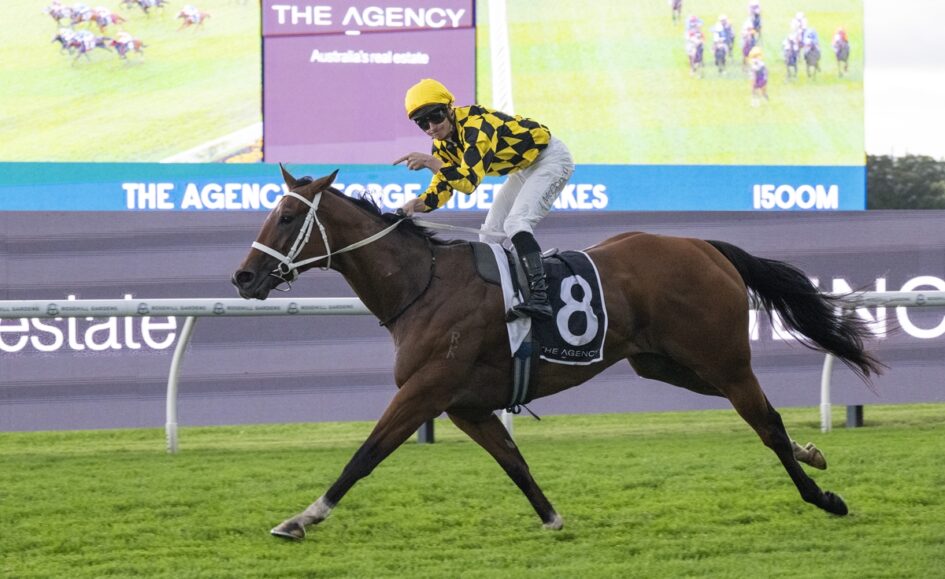
Few race days on the Australian calendar carry the weight and excitement of Golden Slipper Day. Held at Rosehill Gardens in mid‑to‑late March, it’s the richest race for two‑year‑olds in the world, with prizemoney now nudging $5 million. But the Slipper is only part of the story – the card is packed with Group 1 action, from the Ranvet Stakes to the George Ryder Stakes, making it one of the most bet‑on days of the Sydney Autumn Carnival.
Whether you’re a seasoned punter or a casual fan, having a structured approach to Golden Slipper Day can turn a great afternoon into a profitable one. In this guide, we’ll break down the key factors for betting on two‑year‑olds, analyse the main support races, and give you the tools to find value across the Rosehill card.
1. The Golden Slipper – The Main Event
Race Overview
- Race: Golden Slipper (Group 1)
- Distance: 1200 metres
- Location: Rosehill Gardens, Sydney
- Track: Typically good to soft in late March
- Prize Money: ~$5 million (world’s richest 2YO race)
- Age: Two‑year‑olds only
The Golden Slipper is a unique test: 1200 metres at weight‑for‑age, with a capacity field of 16 runners (plus emergencies). Form lines can be difficult to interpret because two‑year‑olds are rapidly developing, and many horses come from different states and even New Zealand.
Key Betting Factors for the Slipper
a) Barrier Draw
Over 1200 metres at Rosehill, a wide gate is a significant disadvantage. Since the turn of the century, the majority of Golden Slipper winners have jumped from barriers 1–8. Inside draws allow a horse to settle closer to the speed and avoid being caught wide without cover.
b) Lead‑Up Runs
Most Golden Slipper runners come through the traditional lead‑up races: the Silver Slipper (1100m), the Blue Diamond (1200m) at Caulfield, or the Magic Millions (1200m) in January. A horse that has already won or placed in a Group 1 or Group 2 at 1200 metres is statistically a better bet than a first‑up winner.
c) Sectional Times & Speed Maps
In a big field of unseasoned horses, the pace can be frenetic. Look for horses that have demonstrated the ability to settle off a hot tempo and still finish strongly. Watch replays of lead‑up runs and note which horses were held up for a run – they often represent value if the map suggests a clear run.
d) Fitness and Conditioning
Two‑year‑olds can improve dramatically between runs. A horse that was green or inexperienced in its last start may be a completely different proposition after a solid trial or an extra run. Conversely, a horse that has had a long campaign may be on the decline. Check the number of runs this preparation – most winners have had 2–4 starts before the Slipper.
e) Jockey and Trainer Trends
Certain trainers have exceptional Slipper records (e.g., Gai Waterhouse, Chris Waller, Peter & Paul Snowden). Similarly, some jockeys are known for their big‑race rides. While not a sole reason to back a horse, following in‑form stables and big‑race jockeys can be a useful filter.
2. The Support Card – Group 1 Double & More
Golden Slipper Day features three Group 1 races and several other high‑quality contests. The two other top‑level events are:
Ranvet Stakes (2000m, WFA)
A key lead‑up to the Queen Elizabeth Stakes and the Sydney Cup. The Ranvet often attracts top‑class middle‑distance horses. Important factors:
- Staying ability: 2000 metres at weight‑for‑age tests stamina. Look for horses that have performed at or beyond this trip.
- Fitness: Many runners come out of the Chipping Norton Stakes (1600m) or the Apollo Stakes (1400m). A strong finish in those races suggests they will handle the extra distance.
George Ryder Stakes (1500m, WFA)
A high‑quality weight‑for‑age race over 1500 metres that is a key guide to the Doncaster Mile. Key angles:
- Class over distance: Many top milers use the George Ryder as a springboard. Check their 1500m form.
- Run style: 1500m at Rosehill can suit horses that sit just off the speed. Pace maps are crucial.
Other Features
- The Galaxy (1100m, Group 1): A sprint for the older horses, often attracting speedy types from the Magic Millions or Oakleigh Plate.
- Rosehill Guineas (2000m, Group 1): Run on the same day? Actually the Rosehill Guineas is usually a week before, but the Slipper day often includes the Pago Pago Stakes (2YO), Darby Munro Stakes etc. We’ll include a note.
Note: The full support card may vary year to year, but the Ranvet and George Ryder are the consistent Group 1s alongside the Slipper.
3. Track Conditions & Weather
Late March in Sydney can be unpredictable. Rain can turn the track into a soft or heavy surface, which dramatically changes the prospects of two‑year‑olds and older horses.
- Good track: Favours horses with natural speed and good sectionals.
- Soft / Heavy: Look for horses that have form on rain‑affected ground. Many 2YOs have never raced on a wet track – treat them with caution.
- Rail position: Rosehill’s rail is often in the true position on feature days, but check the final track report. A wide rail can favour on‑pace runners who get the inside run.
4. Betting Strategies for Golden Slipper Day
a) Lay the Favourite?
The Golden Slipper favourite has a moderate strike rate compared to other major races. Since 2000, less than 40% of favourites have won. If the favourite is a short‑priced ($3 or less) horse that has not been tested against a big field, there is often value in opposing it.
b) Use Exotics
The Slipper is notorious for upsets, and the place dividend can be generous. Box trifectas or first‑fours including a few roughies can pay handsomely. Because of the large field, many punters focus on the winner, but the place pools can offer more value.
c) Back a Horse from the Right Lead‑Up
Horses coming out of the Blue Diamond have a solid record, but the Silver Slipper is the traditional Sydney lead‑up. Look for a horse that finished within 2 lengths of the winner in a quality 2YO race.
d) Multi‑Race Strategies
Golden Slipper Day offers a multi‑leg quaddie (usually races 6–9). Because the fields are large, consider covering a few combinations rather than singling one leg. Many punters also like to place a “best bet” on one of the Group 1 support races where the favourite is more reliable.
5. Expert Tips & Selections
These are illustrative tips based on typical Golden Slipper trends. Actual form should be reviewed on the day.
Golden Slipper (Race 7 or 8)
- Horses to watch:
- Proven 1200m performer: Look for a colt or filly that has already won or placed at 1200m in Group company.
- Fresh horse with a good barrier: A horse that has had 2‑3 runs and drawn inside gate 8.
- Value runner: A filly with a good turn of foot that has been unlucky in lead‑up runs.
Ranvet Stakes
- Best bet: A proven weight‑for‑age performer with strong 2000m form. Often the favourite in this race is reliable.
George Ryder Stakes
- Best bet: A horse that has performed well fresh or second‑up over 1400‑1500m. Look for those that finish strongly.
6. Golden Slipper Day Quaddie Strategy
The quaddie is often the most popular bet on the day. Typical legs include:
- Leg 1: A race with a short‑priced favourite (e.g., Ranvet Stakes) – you can single or take two horses.
- Leg 2: A competitive sprint like The Galaxy – take 3–4 chances.
- Leg 3: The Golden Slipper – take 4–5 horses covering the main chances and a roughie.
- Leg 4: The final race (often a Group 3 or benchmark) – take 2–3 horses.
Using a flexi‑betting approach allows you to include more combinations for a lower cost.
7. Key Numbers & Stats
- Most successful barrier range: 1–6 (over 70% of winners since 2000)
- Winning lead‑up: Silver Slipper (27%), Blue Diamond (21%), Magic Millions (18%)
- Favourite strike rate: 38% (since 2000)
- Filly record: Fillies have won 14 of the last 40 runnings – competitive, but colts have a slight edge
- Best jockey stats: Check the current Sydney premiership; big‑race jockeys like James McDonald, Nash Rawiller often ride key contenders.
8. Responsible Wagering
Golden Slipper Day is one of the biggest days on the racing calendar, but it’s important to bet responsibly. Set a budget, never chase losses, and treat your punting as entertainment. The thrill of watching the world’s best two‑year‑olds can be enjoyed with a clear head and a well‑planned strategy.
Conclusion
Golden Slipper Day 2026 promises to be another spectacular afternoon of racing. By understanding the unique factors that influence two‑year‑old races, analysing the support Group 1s, and applying smart betting strategies, you’ll be well‑positioned to find value across the card.
Keep an eye on the weather, study the barrier draws, and don’t be afraid to back a horse with the right profile at a price.
Ready to lock in your bets for Golden Slipper Day?
Visit Top Betting Australia now for the latest odds, expert tips, and exclusive promotions!