

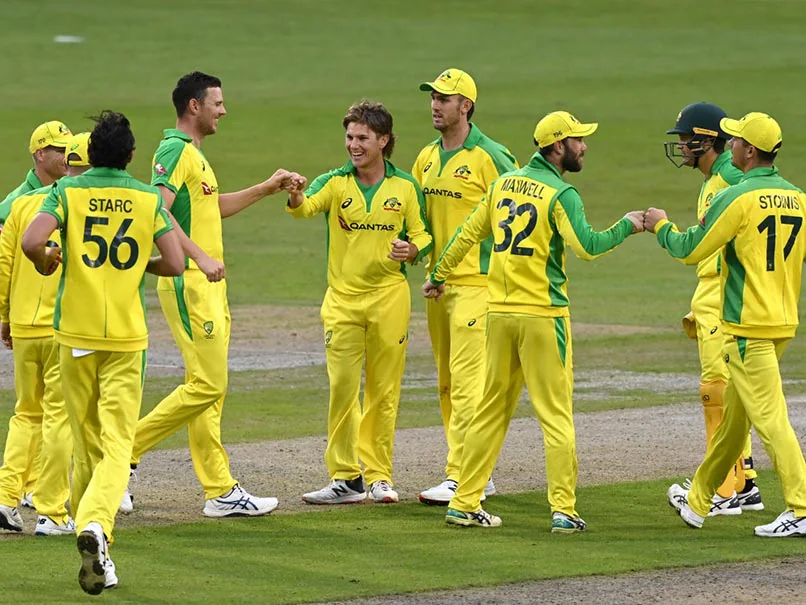
As the Australian domestic cricket season enters its final stretch, the intensity lifts. For Sheffield Shield teams, there are points and a potential final to play for. In the One-Day Cup, positions on the leaderboard are on the line. And for players, late-season form can mean contracts, call-ups, or simply pride.
For punters, this period offers a unique edge. By now, we know which players are in form, which bowlers are extracting something from tired pitches, and which batters are playing for their future. This is where player‑performance markets come into their own.
Unlike traditional match betting, player props allow you to focus on individual battles—ones you can research deeply. In this guide, we break down the best player‑performance markets for late‑season domestic cricket and show you how to find value.
Why Player‑Performance Markets Shine Late in the Season
As the season wears on, trends emerge. Pitches develop characteristics. Player fatigue becomes a factor. Motivation levels vary wildly—some are pushing for national selection; others are playing out the string.
Player‑performance markets let you capitalise on this knowledge. You’re not betting on which team wins; you’re betting on whether a specific batter will pass 50, or whether a particular quick will take three wickets. These are outcomes you can analyse with real confidence after months of watching.
Top Player‑Performance Markets to Target
1. Top Run‑Scorer (Match or Series)
One of the most popular player markets is picking the leading run‑scorer—either for a single match or for the remainder of the season.
What to look for:
- Players with something to prove: Those on the fringe of state or national selection often lift late in the season.
- Home ground specialists: Some batters feast on certain venues. Check historical data at that ground.
- Form against specific attacks: Has this batter struggled against quality pace but dominated spin? Late-season pitches can offer assistance to certain types of bowling.
Late‑season edge: By now, you know which batters are in “the zone” and which are fighting for their place. Back the motivated ones.
2. Top Wicket‑Taker (Match or Series)
Similarly, backing the leading wicket‑taker can be lucrative, especially on pitches that have worn and are offering assistance.
What to look for:
- Bowlers with high workloads: Some quicks are managed; others are asked to bowl relentlessly. The workhorses get more opportunities.
- Match‑up advantages: A left‑arm orthodox spinner against a lineup heavy on right‑handers. A quick with a lethal yorker against a tail that folds under pressure.
- First‑innings specialists: Some bowlers do their best work early; others clean up late. Know their role.
Late‑season edge: Bowlers’ bodies are tired. The ones with strong technique and mental fortitude often pull away from the pack now.
3. Player vs Player Matchups
Many sportsbooks offer head‑to‑head player battles: Batter A vs Batter B, or Bowler C vs Bowler D. Who scores more runs? Who takes more wickets?
What to look for:
- Venue history: Some players just “own” certain grounds. Check their record at the venue.
- Recent form: Last 5 innings matter more than season aggregates.
- Role clarity: A batter who bats at No. 3 will have more opportunity than a No. 6 who faces 10 balls. A bowler who opens will get more overs than a first‑change option.
Late‑season edge: Teams often shuffle their order late in the season. A batter moving up the order becomes a stronger play.
4. Player to Score a Fifty / Century
Backing a player to reach 50 or 100 is a straightforward market with plenty of research angles.
What to look for:
- Conversion rate: Some players consistently turn 30s into 50s; others get out repeatedly in the 20s and 30s.
- Pace of innings: In limited‑overs cricket, players with high strike rates face more balls simply because they’re trusted to score quickly.
- Opposition bowling strength: A weak attack means more scoring opportunities.
Late‑season edge: Look for players who have passed 50 multiple times recently—they’re seeing the ball like a football.
5. Player to Take 3+ Wickets / 5+ Wickets
For bowlers, wicket totals can be boosted by a weak tail or a pitch offering assistance.
What to look for:
- Tail‑enders: Does this bowler bowl at the tail? Some captains save their best bowlers for the top order; others let their strike bowlers clean up.
- Pitch report: A wearing pitch on day 3 or 4 can turn a good bowler into a destroyer.
- Weather conditions: Overcast conditions in a red‑ball game can mean swing—and swing means wickets for certain types.
Late‑season edge: Late‑season Sheffield Shield pitches can be unpredictable. If you spot a turning track early, back the spinners.
6. Most Sixes / Most Fours
For white‑ball cricket, these markets are fantastic. They’re not about scoring the most runs, but about playing aggressively.
What to look for:
- Role in the team: The pinch‑hitter at No. 3 is going for boundaries. The anchor at No. 4 is rotating strike.
- Bowling match‑ups: A batter who loves pace facing a medium‑pacer is a good bet for boundaries.
- Ground dimensions: Small boundaries mean more sixes. Know the ground.
Late‑season edge: Late‑season white‑ball games often have high stakes—players throw the bat more freely.
Key Factors to Analyse for Late‑Season Domestic Cricket
1. Motivation and Context
This is the single biggest edge late in the season.
- Selection battles: Who’s playing for a contract next year? Who’s pushing for a Big Bash gig? Who’s on the fringe of the Test squad?
- Team position: Is the team fighting to make a final, or playing out the string? Players on teams with nothing to play for sometimes go through the motions.
- Personal milestones: Is a player approaching 1,000 runs for the season? 50 wickets? They’ll be desperate to get there.
2. Venue History
Australian domestic cricket is played at venues with distinct characteristics.
- The WACA: Pace and bounce. Back the quicks and batters who play the pull shot well.
- Bellerive Oval: Can be two‑paced early. Spinners come into play later.
- Junction Oval: Often flat. Batters can cash in.
- Karen Rolton Oval: Generally good for batting early, then takes spin.
Check how your player has performed at that specific venue in the past.
3. Weather and Conditions
In Australia, weather can be decisive.
- Cloud cover: Swing bowling becomes more dangerous. Back the quicks.
- Heat: Bowlers tire. Back the batters.
- Rain interruptions: Shortened games mean fewer balls for batters to score and fewer overs for bowlers to take wickets. Adjust your expectations.
4. Recent Form vs Season Form
Averages can be misleading. A player averaging 45 for the season might have scored heavily early and done nothing for six weeks. Look at last 5 innings rather than season aggregates. A player in current form is worth backing even if their season numbers look ordinary.
Where to Find Value in Late‑Season Markets
Sheffield Shield (Red Ball)
The longer format offers more time for players to accumulate stats. Look for:
- Openers: They face the most balls. Back them for top run‑scorer markets.
- Death bowlers: In red‑ball cricket, there’s no “death” in the same way, but bowlers who bowl long spells get more wicket opportunities.
- All‑rounders: Players who contribute with bat and ball are twice as valuable in player performance markets. A 50 and 3 wickets beats a century from a pure batter.
One-Day Cup (50 Overs)
Limited‑overs cricket offers defined roles. Look for:
- Top‑order batters: They face the most balls. Back them for most runs.
- PowerPlay bowlers: If a pitch offers early assistance, back the new‑ball bowlers.
- Death bowlers: In the last 10 overs, wickets fall. A specialist at the death can clean up.
Big Bash League (T20)
While the BBL is earlier in the season, late‑season T20 tournaments (like the Women’s T20 Challenge or international T20s) follow similar patterns. In T20 cricket:
- Openers and finishers get the most boundary opportunities. Back them for most sixes.
- Spinners often bowl in the middle overs when batters are looking to attack. They get wickets.
- Pacers who bowl at the death pick up wickets against slogging tail‑enders.
Common Pitfalls to Avoid
❌ Betting on Reputation, Not Form
A big name means nothing if they’ve made 12, 4, and 0 in their last three innings. Late season is about who’s hot now.
❌ Ignoring Team Selection
Check the teams before placing bets. A batter you backed might be rested. A bowler might be rotated. Late‑season cricket often sees teams managing workloads.
❌ Overlooking the Opposition’s Attack
A weak bowling attack means runs for everyone. A strong attack means only the best batters will prosper. Know who they’re facing.
❌ Betting on All‑Rounders in Both Markets
All‑rounders are tempting because they contribute with bat and ball. But they’re often less consistent in either discipline than specialists. Don’t overrate them.
Sample Player‑Performance Betting Strategy
Let’s walk through a hypothetical example for a late‑season Sheffield Shield match.
Match: South Australia vs Victoria, Karen Rolton Oval, Adelaide
Research:
- The pitch at Karen Rolton Oval has been flat all season. Three centuries scored here in the last Shield game.
- SA’s opener, Henry Hunt, has scored 45, 112, and 67 in his last three Shield innings. He’s in career‑best form.
- Victoria’s attack is missing their main quick, Scott Boland, who is rested. They’re bowling a young, inexperienced pace attack.
- Hunt has a strong record at Karen Rolton Oval, averaging 52 there across his career.
Markets to Consider:
- Top Run‑Scorer (SA innings): Hunt is the standout option at odds of $4.50.
- Player to Score a Fifty: Hunt at $2.20 is value given his form and the pitch.
- Player vs Player (Hunt vs Victoria’s top batter, Marcus Harris): Hunt has the better recent form and is batting on his home ground. Back Hunt.
Result: Hunt makes 82. You collect on the fifty and the head‑to‑head. He’s not the top scorer for the match (someone else made 120), but two of your three bets win.
Final Thoughts
Late‑season domestic cricket is a goldmine for punters who do their homework. By focusing on player‑performance markets, you remove some of the variance of team betting and zero in on individual battles you can analyse with confidence.
Remember: motivation, form, and conditions are everything at this stage of the year. The player playing for a contract is worth more than the one already signed for next season. The bowler on a pitch offering assistance is worth more than the one on a road.
Do the work, trust your research, and let the players do the rest.
Ready to put these insights into action and find the best odds for domestic cricket player markets?
Visit Top Betting Australia now for the latest odds, comparisons, and expert cricket betting tips!