

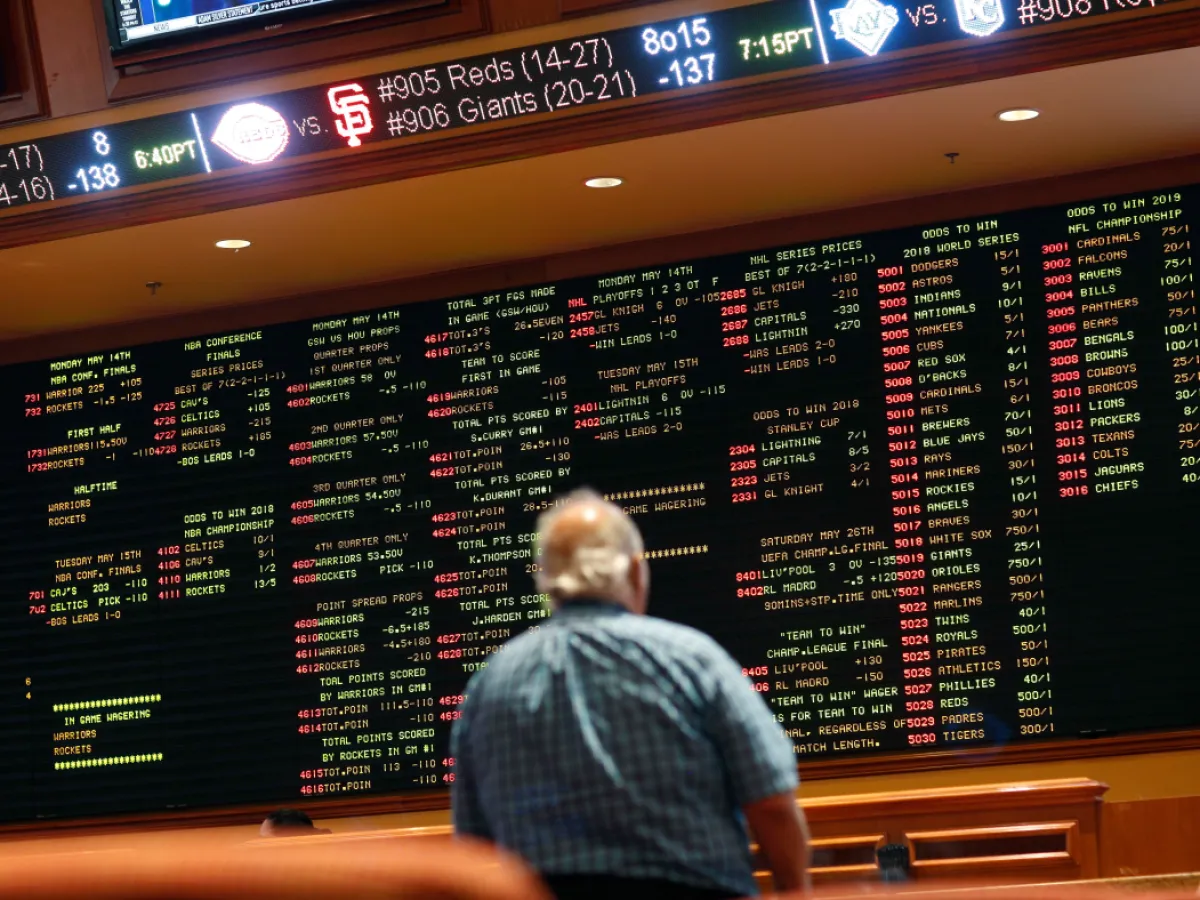
Underdog betting is one of the most popular and emotionally driven markets among Australian punters. Whether it’s backing a long-shot in the AFL, a roughie in horse racing, or a lower-ranked tennis player, underdogs attract disproportionate attention and money.
This article breaks down why Australians love underdog bets, the psychological drivers behind this behaviour, and what the data says about profitability.
What Is an Underdog in Betting?
An underdog is the competitor expected to lose, reflected in higher odds and lower implied probability.
Examples:
- AFL: A bottom-table team facing a premiership contender
- Horse racing: A runner priced at $10.00+
- Tennis: A player ranked outside the top 50 against a top-10 seed
Underdogs offer higher payouts, but win less frequently.
The Psychology Behind Underdog Betting
1) The Appeal of Big Payouts
Humans are wired to overvalue low-probability, high-reward outcomes.
A $10 stake returning $100 or $500 feels more exciting than a $10 win on a favourite, even if the favourite is statistically superior.
This is known as the lottery effect in behavioural economics.
2) Narrative Bias and Emotional Storytelling
Australians love sporting narratives:
- Battlers beating giants
- Small clubs upsetting big teams
- Unknown athletes breaking through
Media coverage amplifies these stories, making underdogs emotionally attractive even when data disagrees.
3) Availability Bias
Recent upsets are highly memorable:
- A massive AFL upset
- A $41 horse winning the Melbourne Cup
- A qualifier reaching a Grand Slam final
Punters recall these events vividly and overestimate their frequency.
4) Anti-Favourite Bias
Many bettors dislike backing favourites because:
- Returns feel “too small”
- Losing on a short-priced favourite feels worse
- There is a belief that bookmakers manipulate favourite prices
This creates an emotional tilt toward outsiders.
What the Data Says About Underdog Betting
Underdogs Win More Often Than People Think — But Not Enough
In major sports leagues:
- Underdogs win roughly 35–45% of matches, depending on sport and pricing
- Large underdogs (odds 4.00+) win far less frequently
Bookmakers price this accurately, so the higher payout generally reflects true probability.
The Favourite–Longshot Bias
Academic studies consistently show the favourite–longshot bias:
- Favourites are typically underbet (offer better value)
- Longshots are typically overbet (offer worse value)
This means bookmakers build extra margin into underdog prices because they know punters love them.
Market Inefficiency in Niche Leagues
Underdogs can offer genuine value in:
- Lower-tier leagues
- Women’s leagues with limited data coverage
- Early-season competitions
- Junior or emerging competitions
In these markets, public sentiment may lag behind real performance indicators.
When Underdog Betting Can Be Profitable
1) Mispriced Teams or Players
If public perception lags reality, underdogs can be undervalued.
Examples:
- A rebuilding AFL team with strong underlying metrics
- A tennis player returning from injury with improving form
- A horse improving due to track conditions or distance change
2) Situational Angles
Underdogs can outperform in specific contexts:
- Home-ground advantage
- Short rest disadvantages for favourites
- Weather or pitch conditions
- Travel fatigue
Data-driven situational betting is where underdogs can become value picks.
3) Contrarian Betting Models
Some quantitative bettors use contrarian strategies:
- Fade public money on favourites
- Back underdogs when market sentiment is extreme
- Exploit closing line movement
These models require historical data and disciplined staking.
When Underdog Betting Is a Losing Strategy
1) Blindly Backing Longshots
Betting every outsider is mathematically negative expected value.
Bookmakers inflate margins on high-odds selections.
2) Chasing Big Wins
Punters often increase stakes on underdogs chasing a life-changing payout. This behaviour increases variance and bankroll risk.
3) Emotional Bias in National or Local Teams
Australians often overbet:
- Local AFL clubs
- Australian athletes in tennis and cricket
- Popular teams with large fan bases
Public sentiment often inflates prices, reducing value.
Risk and Variance in Underdog Betting
Underdog strategies involve:
- Long losing streaks
- High volatility
- Psychological stress
Even profitable underdog models can experience extended drawdowns.
Proper bankroll management is essential.
Smart Underdog Betting Tips for Australians
- Only back underdogs with statistical or situational edge
- Compare odds across bookmakers
- Track closing line value to assess pricing efficiency
- Use smaller stakes due to variance
- Avoid emotional bets on favourite teams or players
Singles vs Multis for Underdogs
Underdogs in multis multiply risk dramatically. Combining several underdogs is effectively a lottery ticket.
Professionals typically use underdogs as singles with strict staking rules.
Final Thoughts
Australian punters love underdog markets because they tap into deep psychological biases: excitement, storytelling, and hope for large payouts. However, data shows that bookmakers price these biases into odds, making most underdog bets negative expected value.
Underdogs can be profitable only when backed with data-driven models, situational analysis, and disciplined bankroll management. For most beginners, favourites and balanced markets offer better long-term returns.
For more data-driven betting insights, psychology breakdowns, and advanced strategy guides, visit Top Betting Australia.